
Abstract
Examines the positions, dress and Buddhist context of the female donors at the south doorway and male donors at the north doorway; individual identities remain scholarly hypotheses.
Use note
本站原创阅读摘要;本次核验范围:转载页全文与末尾原刊、作者说明。非原文全文或逐字译文,原图授权另核。
Source excerpts
Research question and scope
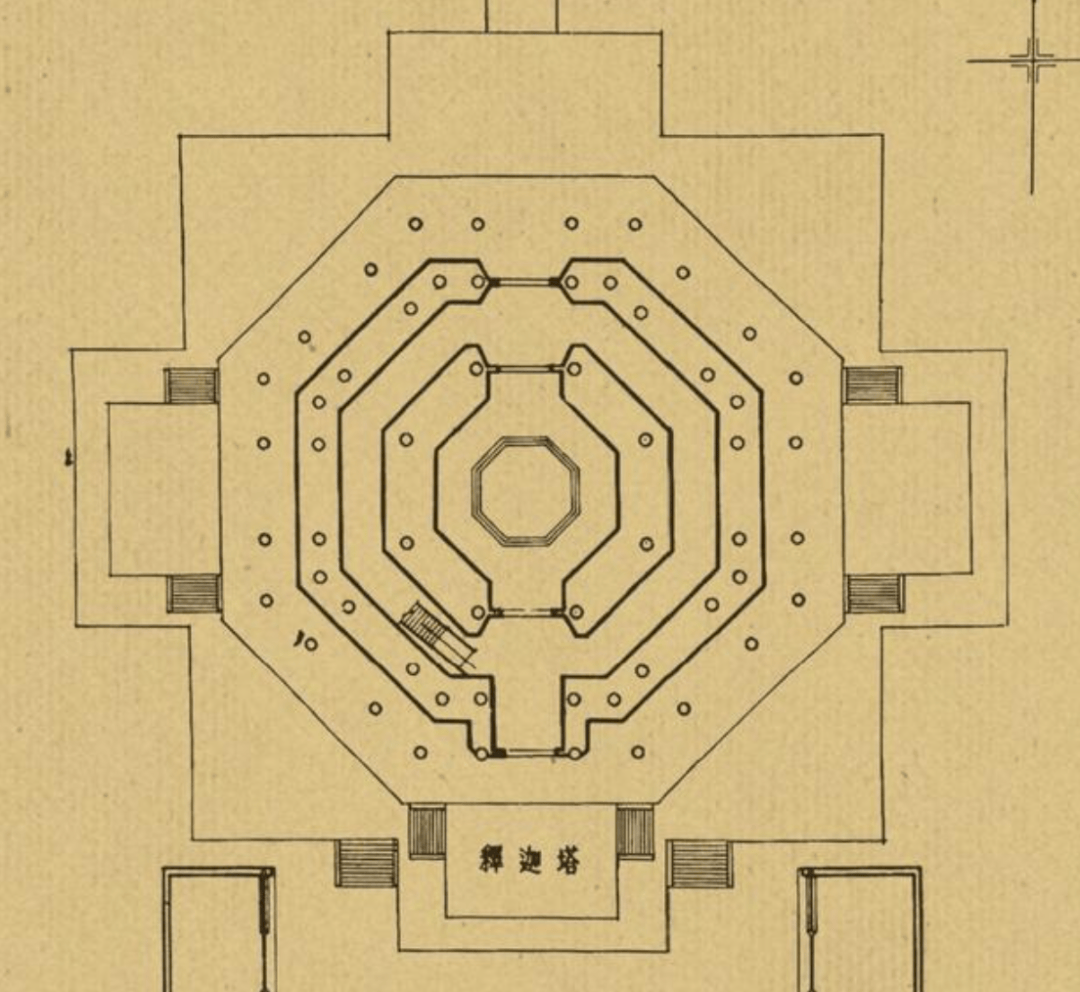
Focusing on the first-storey donor murals, the article considers identity, clothing, placement and acts of worship within the political, familial and Buddhist setting of Liao-period Yingzhou. The donors are evidence for patronage, repair and the expression of merit, not merely decorative figures.
https://m.sohu.com/a/942080204_121124384/ · 转载页全文与末尾原刊、作者说明 · 核验日期:2026-10-15Materials, methods and evidence
The evidence includes painted figures, cartouches and costume, read alongside local history, Liao institutions and Buddhist donor texts. Because the paintings are abraded, repainted and difficult to read, visual facts, documentary correspondences and scholarly conjecture must remain distinct.
https://m.sohu.com/a/942080204_121124384/ · 转载页全文与末尾原刊、作者说明 · 核验日期:2026-10-15Limits and further reading
Compare the argument with the object-level records for the first-storey donors and with the spatial relationship among the six Buddha murals and the central image. Specific identifications, including links to the Xiao consort clan, should retain the author's reasoning and an explicit evidence grade.
https://m.sohu.com/a/942080204_121124384/ · 转载页全文与末尾原刊、作者说明 · 核验日期:2026-10-15