Abstract
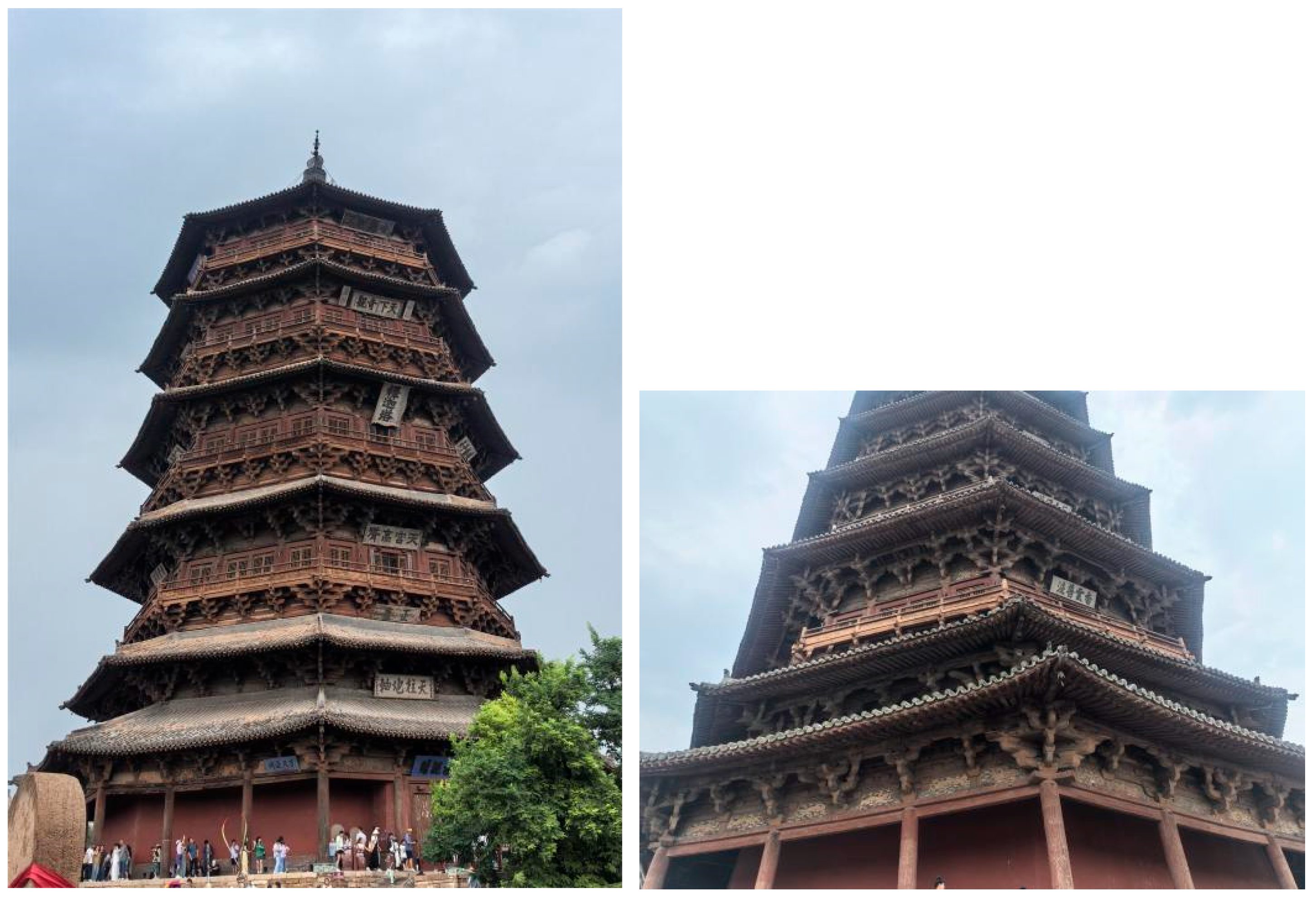
Combines fieldwork, documentary study and 3,394 online texts to examine how bodily movement, images, sensory experience and the pagoda's spaces generate a sense of sacredness.
Use note
本站原创阅读摘要;本次核验范围:Crossref:出版者登记题名、作者、发表日期与abstract。非原文全文或逐字译文,原图授权另核。
Source excerpts
Research question and scope
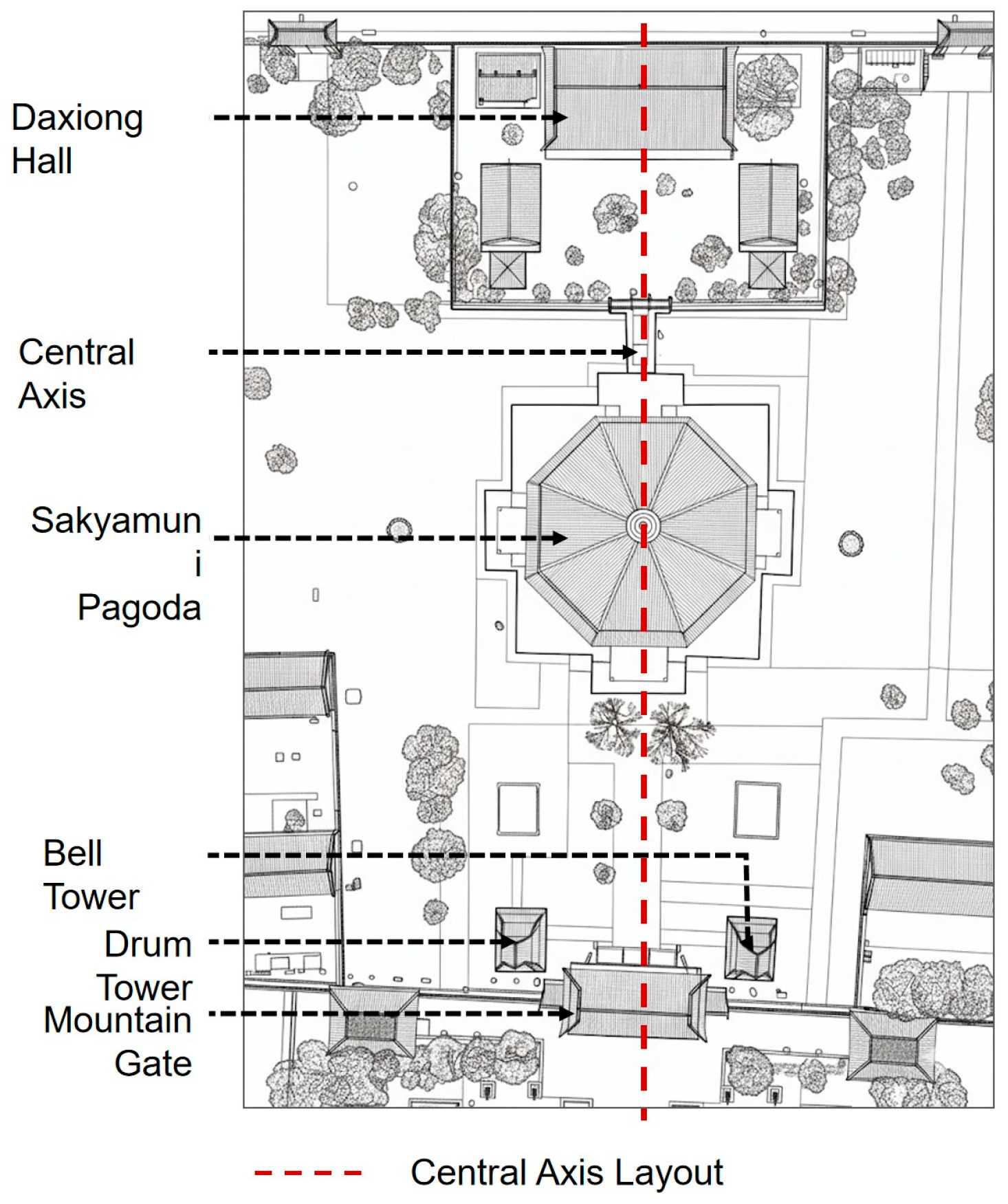
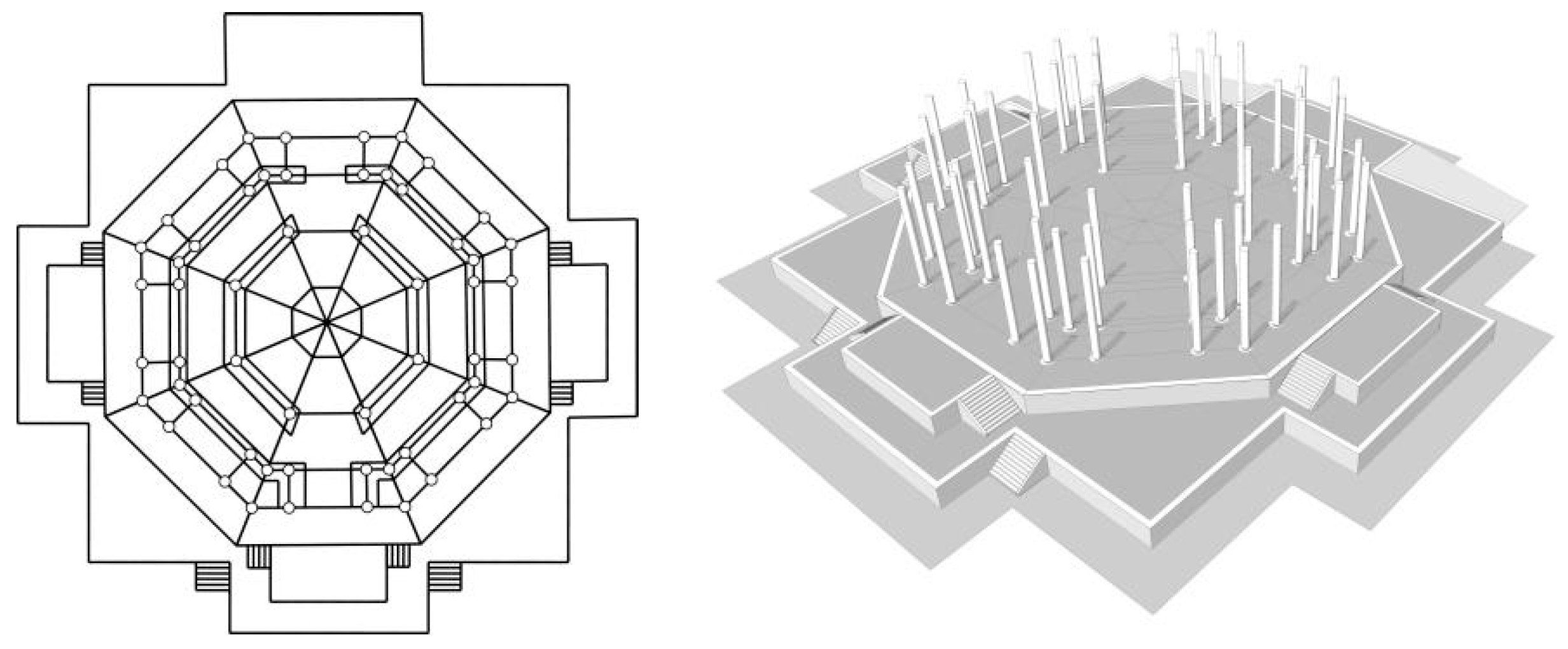
The paper understands sacredness as an ongoing interaction between body and space. Visitors approach along the axis, circumambulate, look upward and ascend, while scale, light, statues, murals, sound and touch shape their religious spatial experience.
https://doi.org/10.3390/rel17030332 · Crossref:出版者登记题名、作者、发表日期与abstract · 核验日期:2026-10-15Materials, methods and evidence
Field investigation, religious and architectural literature, spatial analysis and semantic and sentiment analysis of 3,394 online texts support a sequence from pilgrimage motivation and perception to emotion and cognitive evaluation.
https://doi.org/10.3390/rel17030332 · Crossref:出版者登记题名、作者、发表日期与abstract · 核验日期:2026-10-15Limits and further reading
The generation of sacredness is the authors' interpretive framework, and platform demographics and tourism narratives bias online texts. The study restores movement and viewing to architecture and images, but online sentiment does not substitute for historical ritual evidence.
https://doi.org/10.3390/rel17030332 · Crossref:出版者登记题名、作者、发表日期与abstract · 核验日期:2026-10-15