Abstract
Uses multi-source point clouds from the second-storey column-and-lintel system to build a digital twin, locate a weak column and simulate aluminium-alloy and CFRP reinforcement.
Use note
本站依据所列原始来源撰写的中文阅读摘要,不是原文全文或逐字译文。图片许可须按原图注单独核对。
Source excerpts
Research question and scope
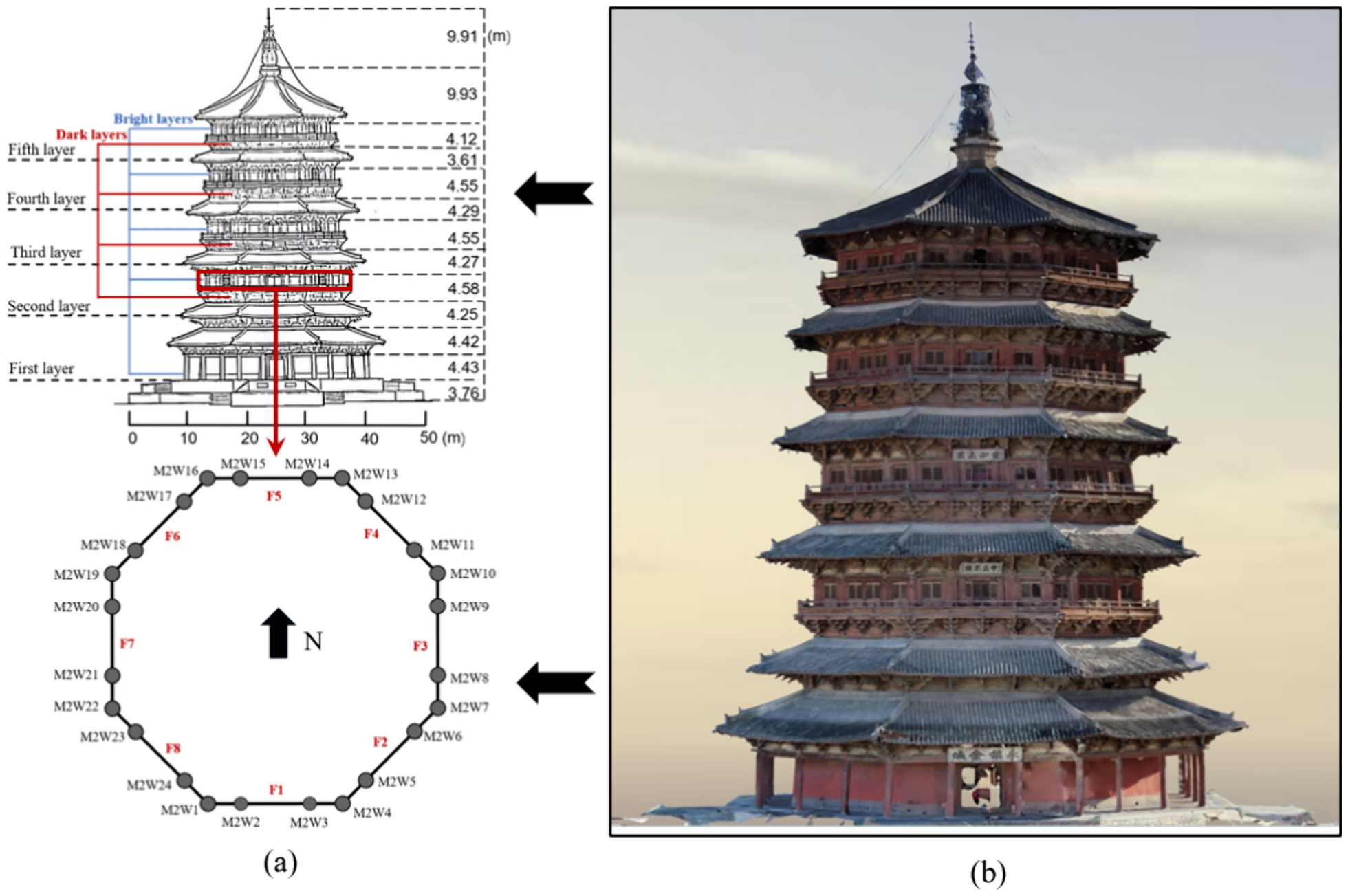
The study focuses on twenty-four outer columns and eight lintels on the second level, organising multi-epoch point clouds, a regularised parametric model, a condition mesh and sensor data as a digital twin. Static-stiffness rules locate vulnerable areas and preview reinforcement effects.
https://www.nature.com/articles/s40494-024-01404-0 · Abstract / Building structure overview / Rights and permissions · 核验日期:2026-10-15Materials, methods and evidence
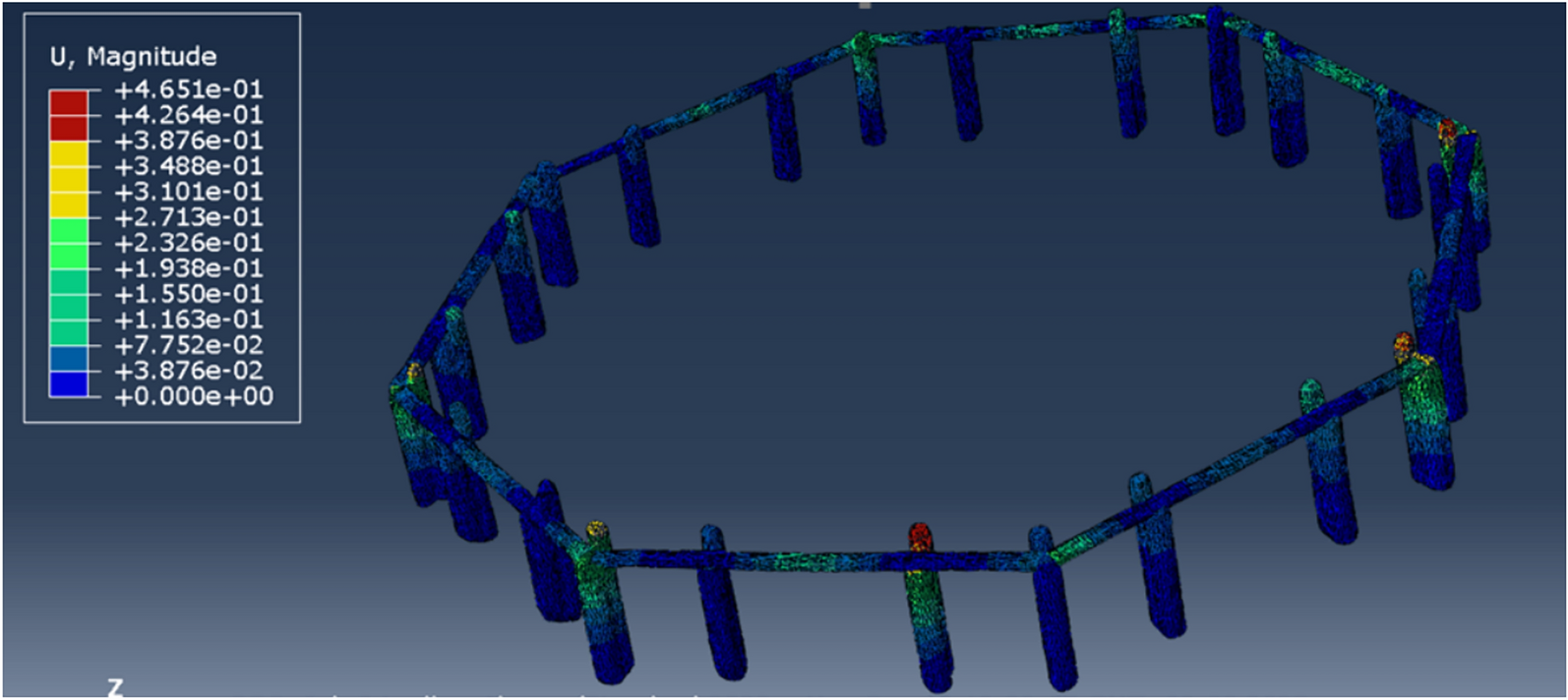
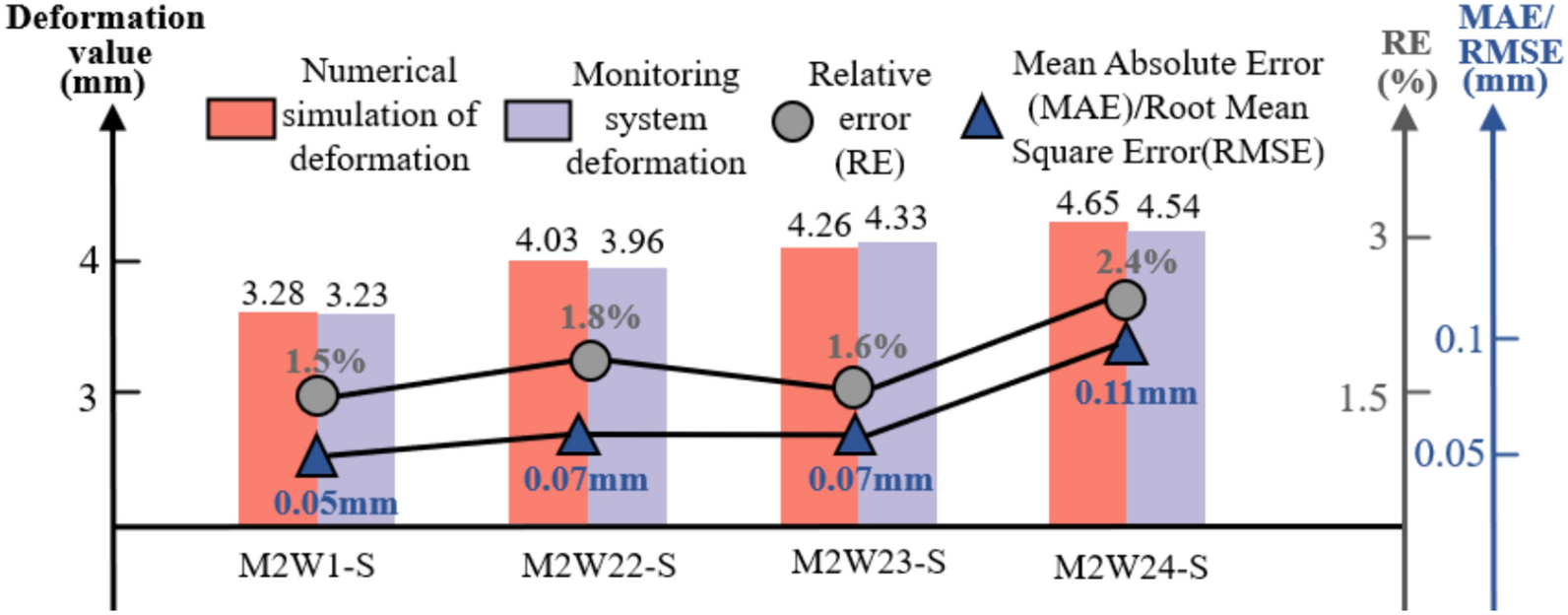
The geometric workflow includes detailed modelling, model decoupling, fusion of point clouds and triangular meshes, hole repair and NURBS conversion. After comparing finite-element results with monitoring, the authors identify column M2W23 as weak and simulate both aluminium-alloy and CFRP reinforcement.
https://www.nature.com/articles/s40494-024-01404-0 · Abstract / Building structure overview / Rights and permissions · 核验日期:2026-10-15Limits and further reading
Self-weight is the initial principal load case, and some dimensions and storey conventions are specific to the paper rather than standard survey usage. The larger simulated deformation reduction for CFRP is only a model comparison; compatibility, reversibility and heritage-value effects require separate evaluation.
https://www.nature.com/articles/s40494-024-01404-0 · Abstract / Building structure overview / Rights and permissions · 核验日期:2026-10-15