HISTORY / CONSERVATION

History and Conservation of the Yingxian Wooden Pagoda

A sourced chronology from the pagoda’s completion in 1056 and later repairs to the 1933 survey, national protection and current conservation research.

1056
Pagoda completed
1194
Sakyamuni Pagoda plaque
1933
Liang and Mo survey
1961
National protection

Completed in 1056, the Sakyamuni Pagoda of Fogong Temple carries evidence of later work in plaques, repair traces and documents. The 1933 survey by Liang Sicheng and Mo Zongjiang made it central to modern Chinese architectural history.

National protection followed in 1961. Current research addresses deformation, wind, earthquakes, timber condition and conservation options. Dated photographs and measured drawings are essential for comparing change.
COMPLETE OBJECT INDEX

14

  1. 01Itō Chūta’s early photograph1902–1903Historical photograph
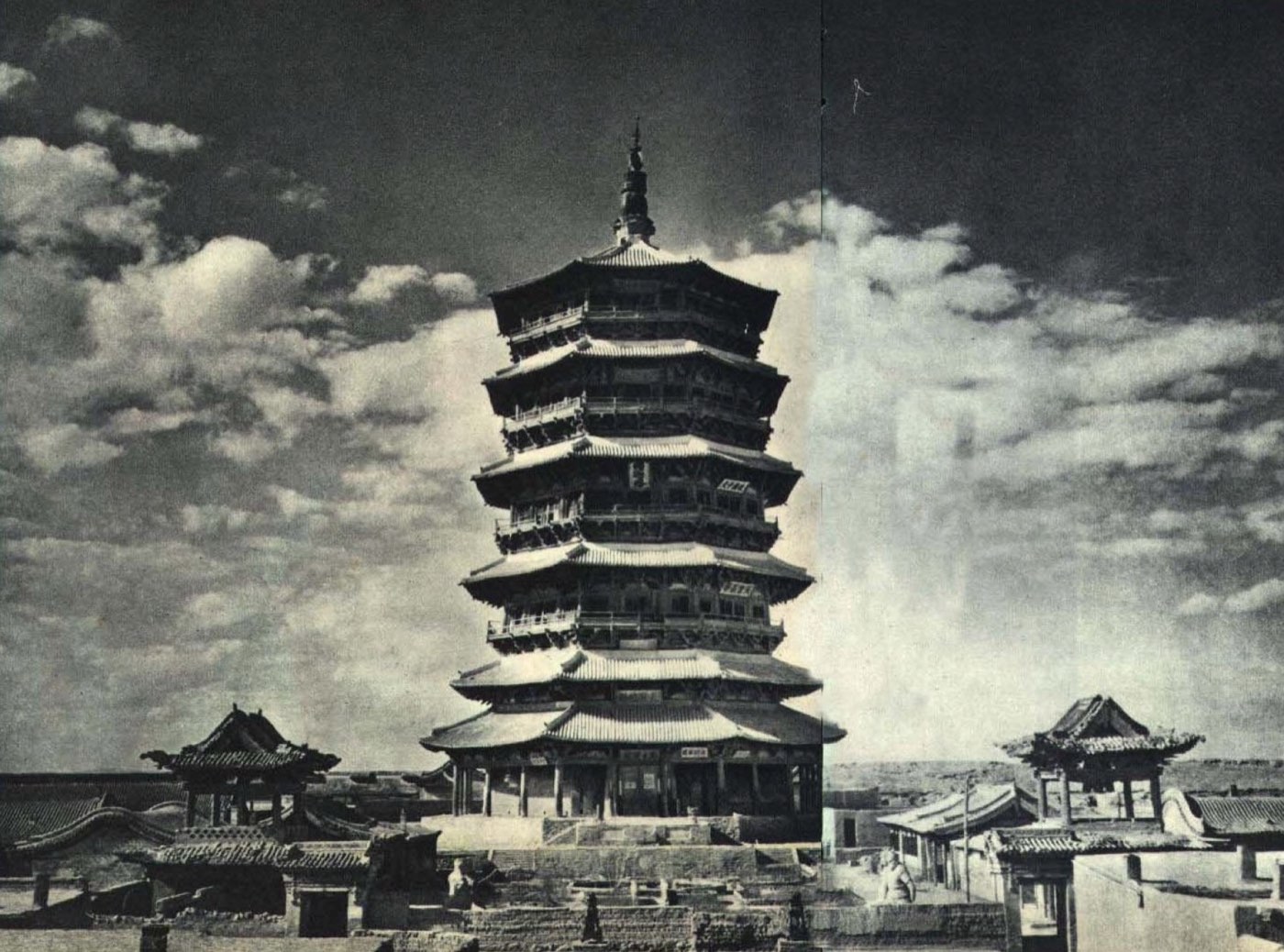
  2. 02Index to Liang Sicheng and Mo Zongjiang’s survey photographs1933Historical survey photographs
  3. 03Yingxian Pagoda in 19631963Historic photograph
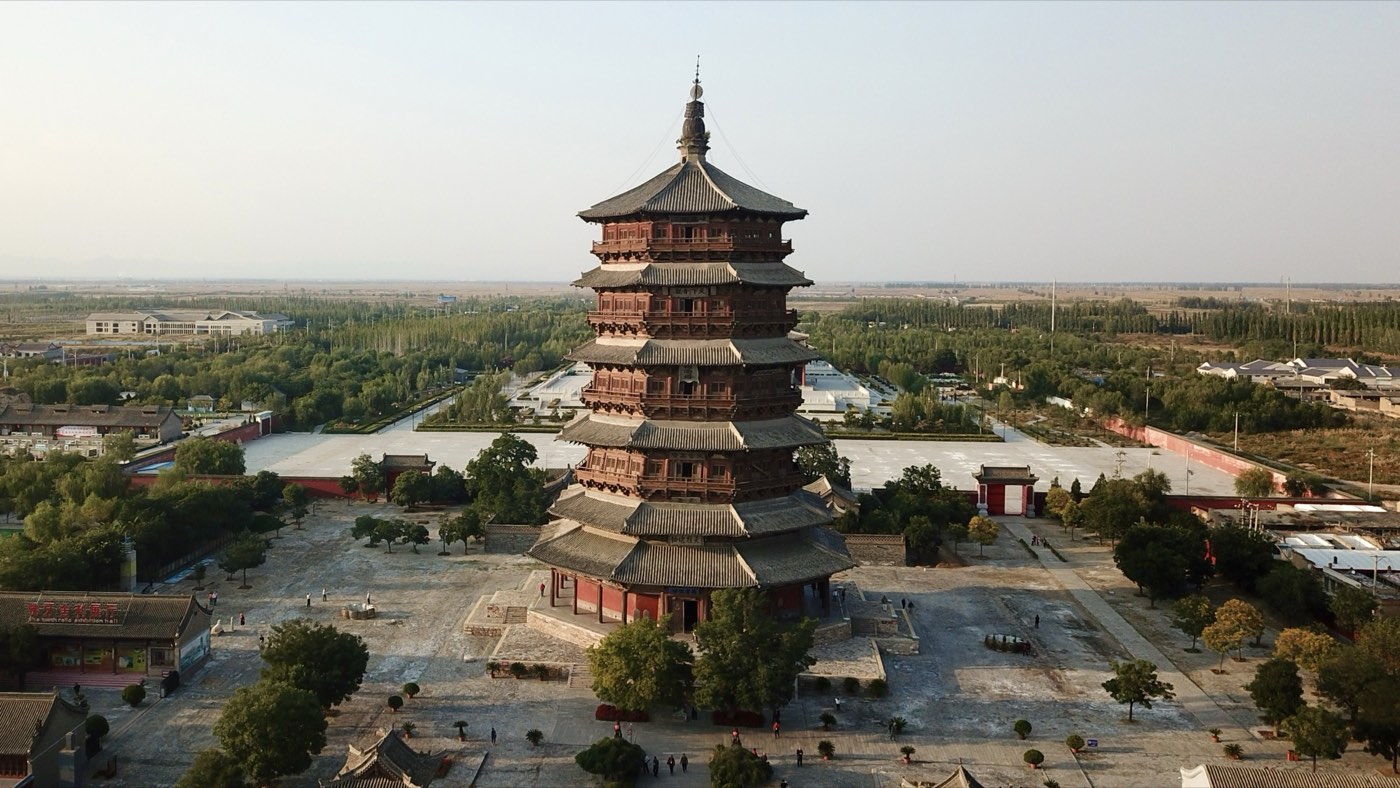
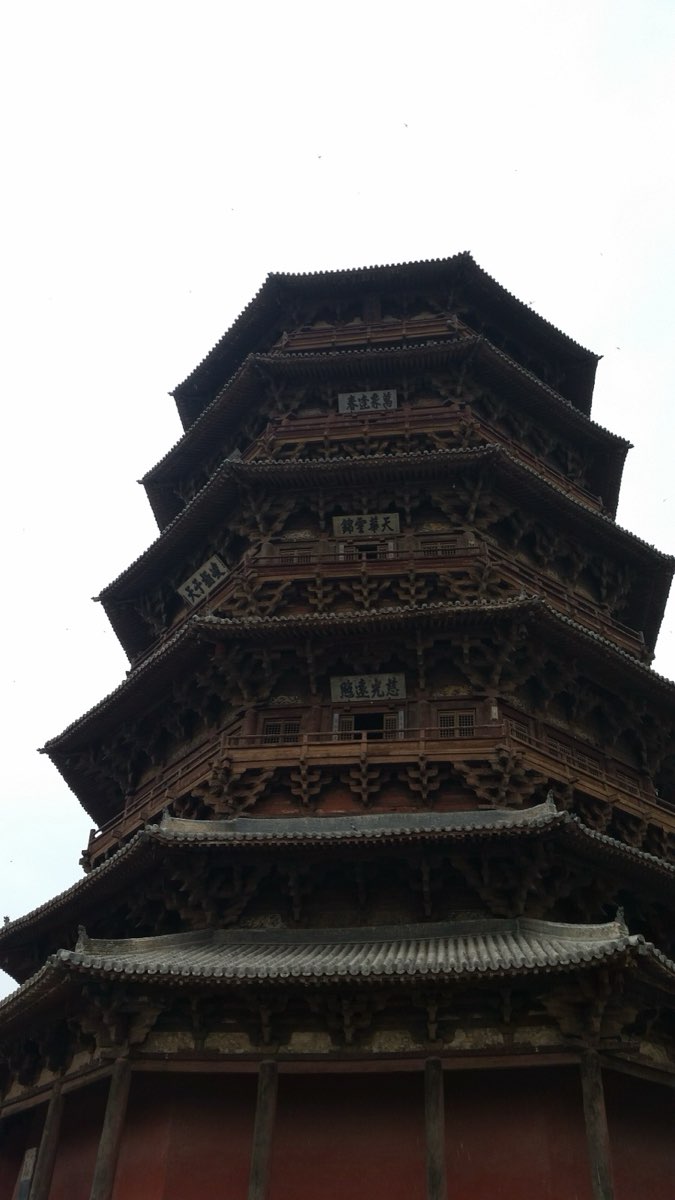
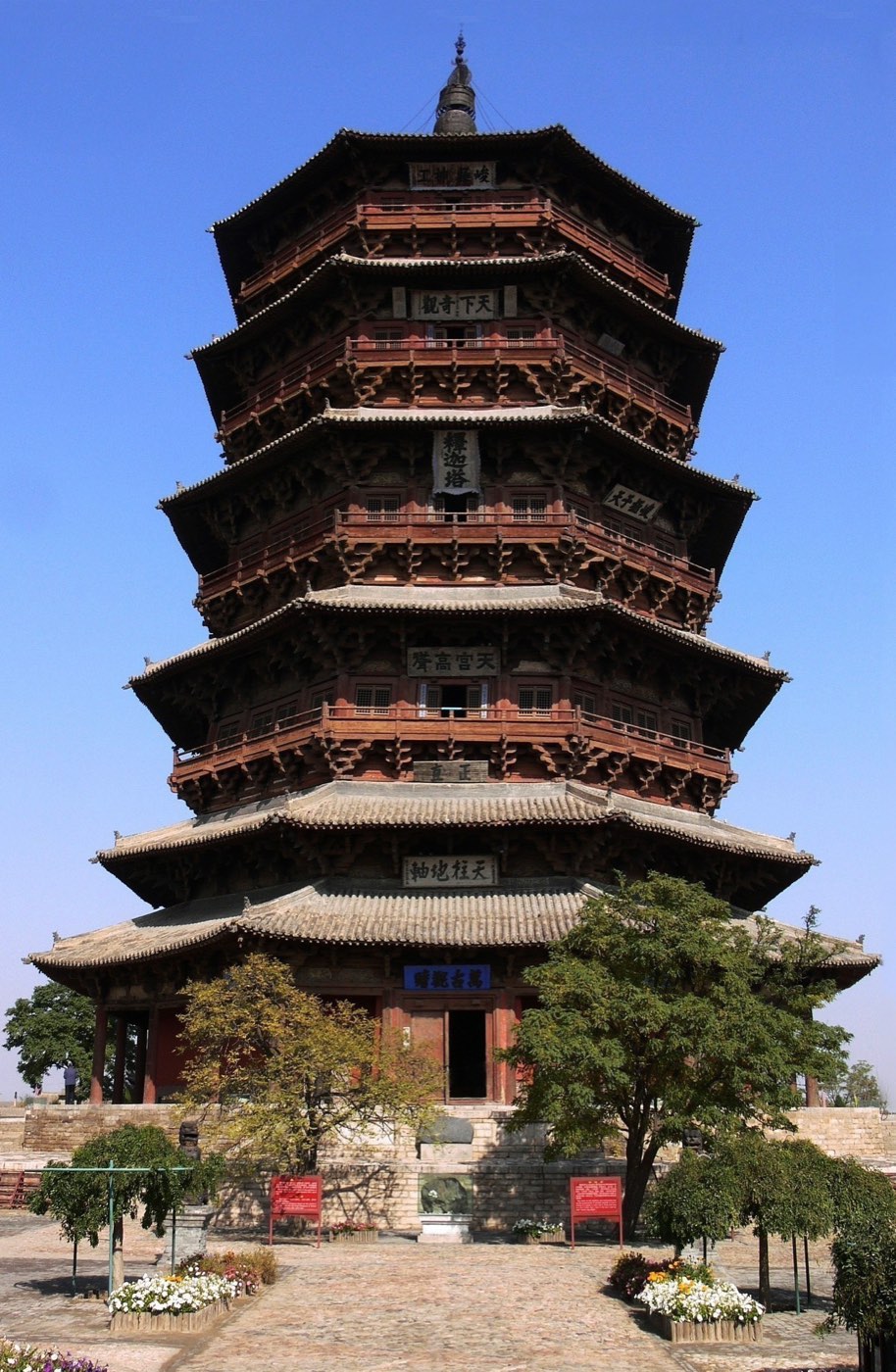
  4. 04South front elevationContemporaryExterior
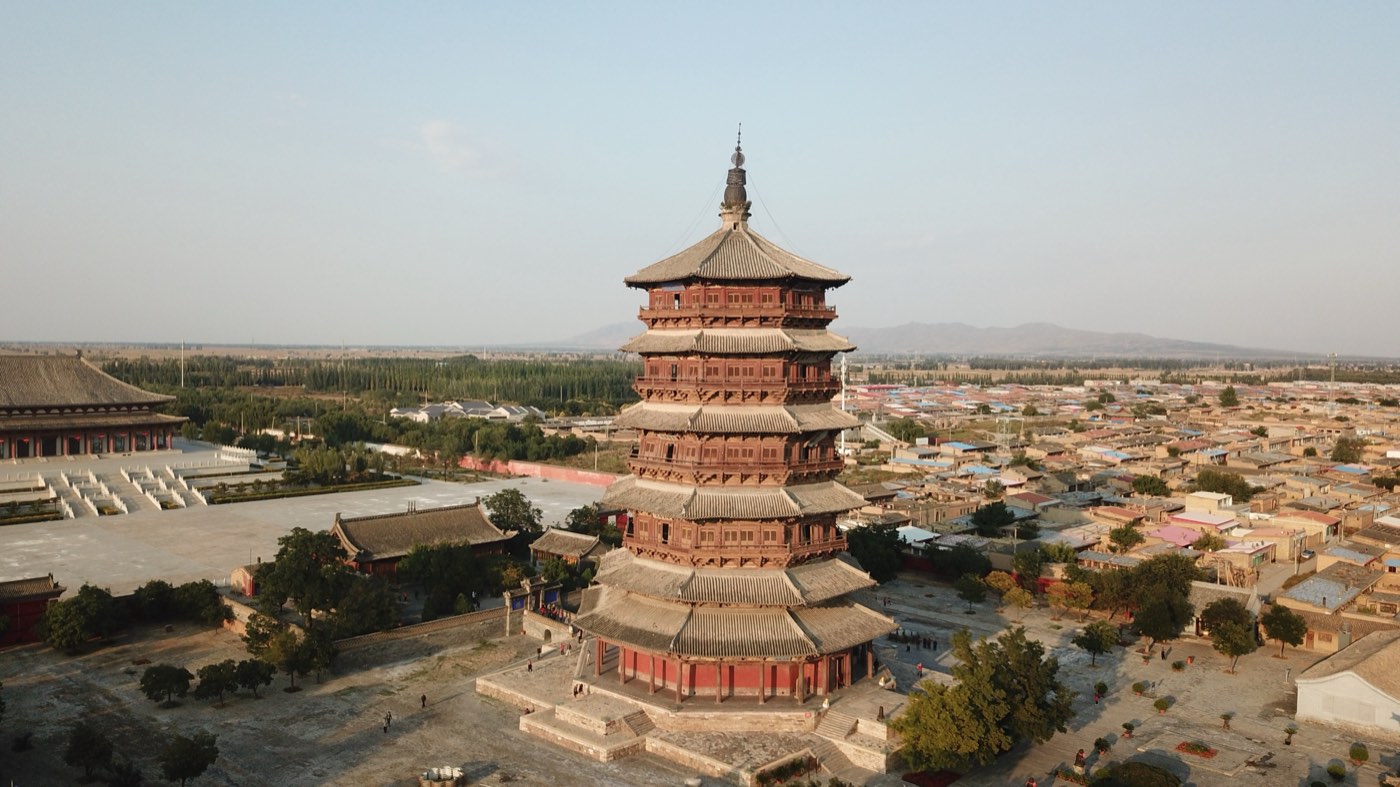
  5. 05Pagoda in its urban settingContemporaryUrban landscape
  6. 06Pagoda within the Fogong Temple courtyard2019Temple precinct
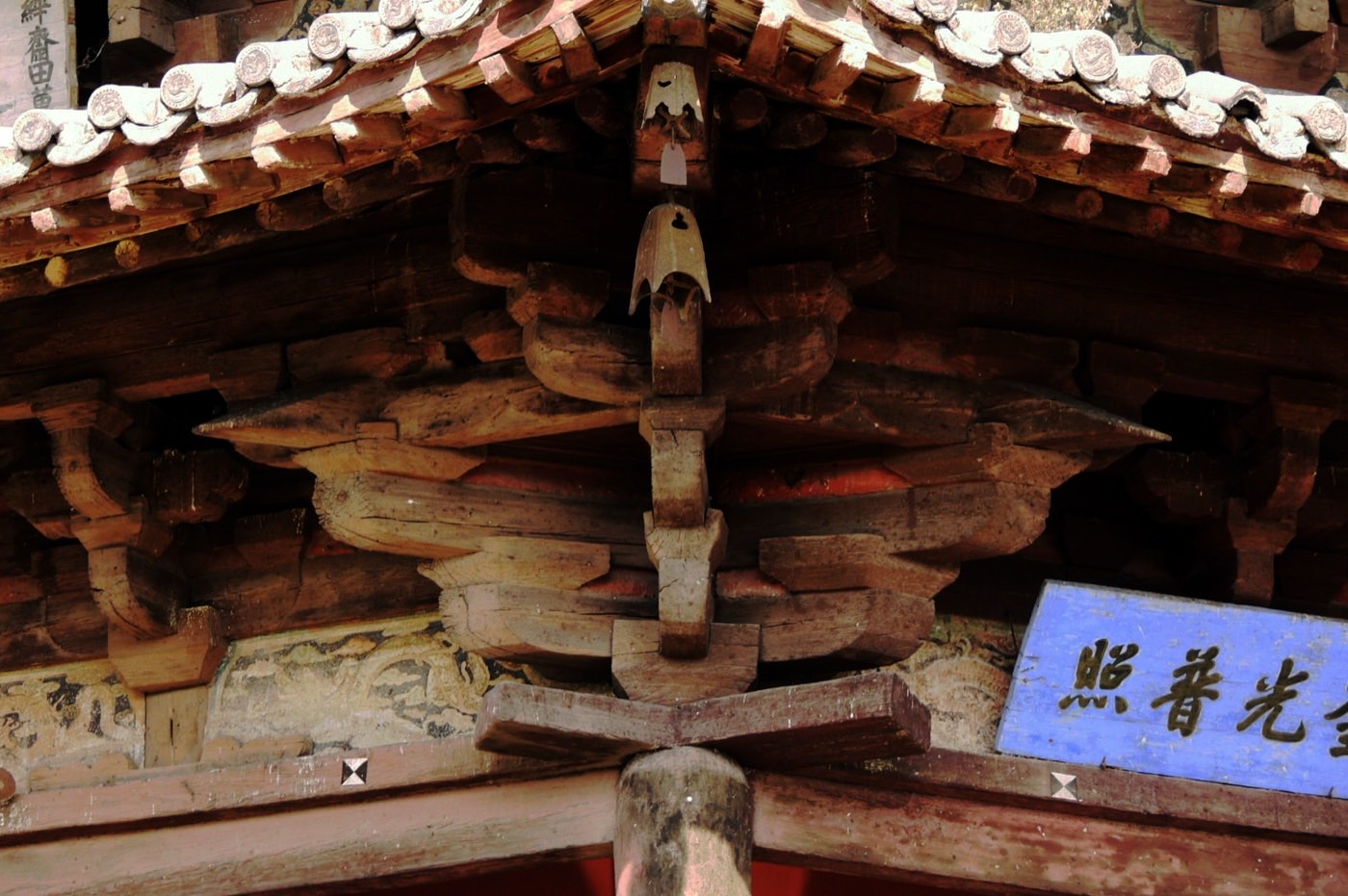
  7. 07Corner dougong detailContemporaryTimber detail
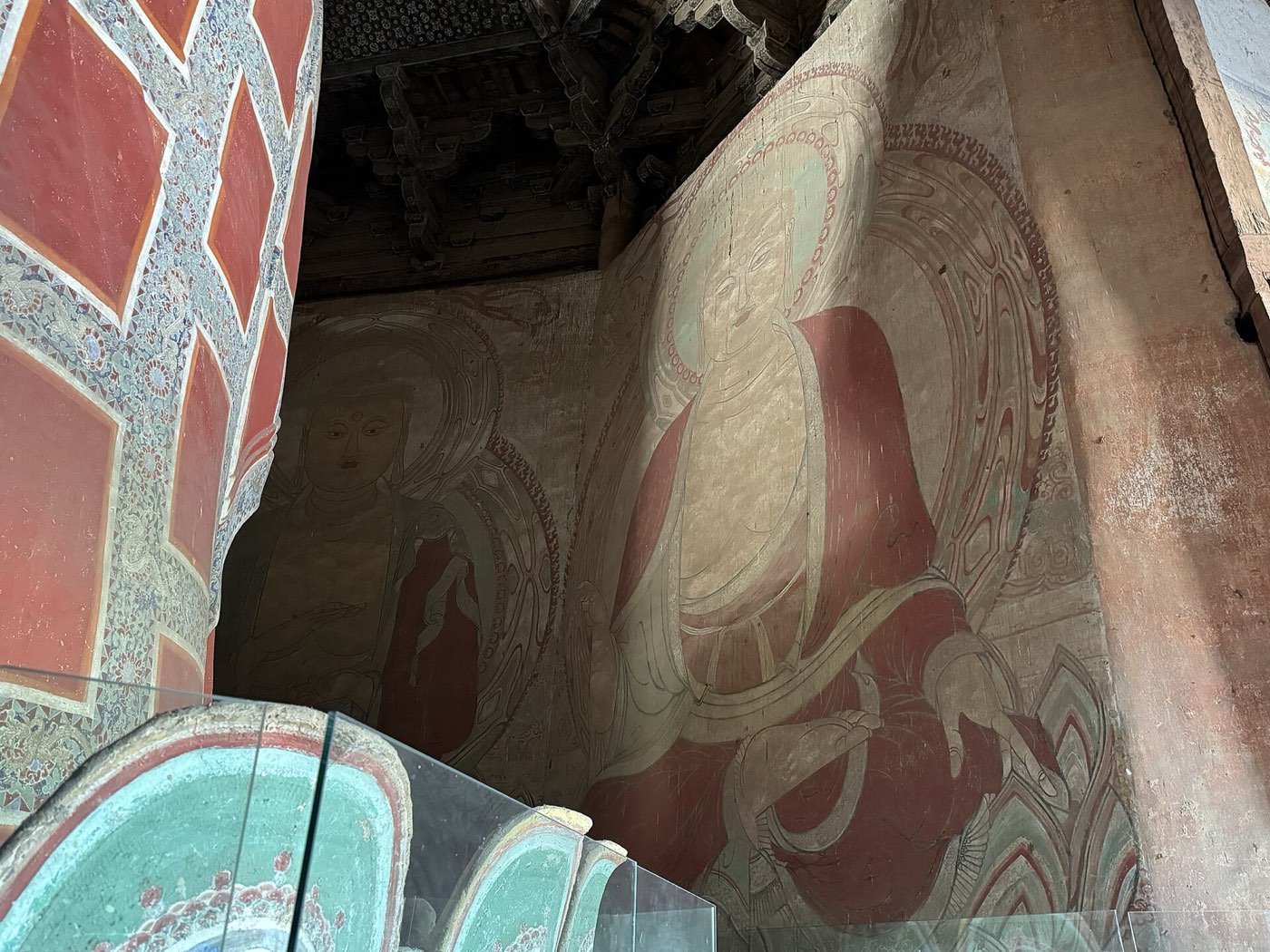
  8. 08First-storey mural image groupContemporaryMural documentation
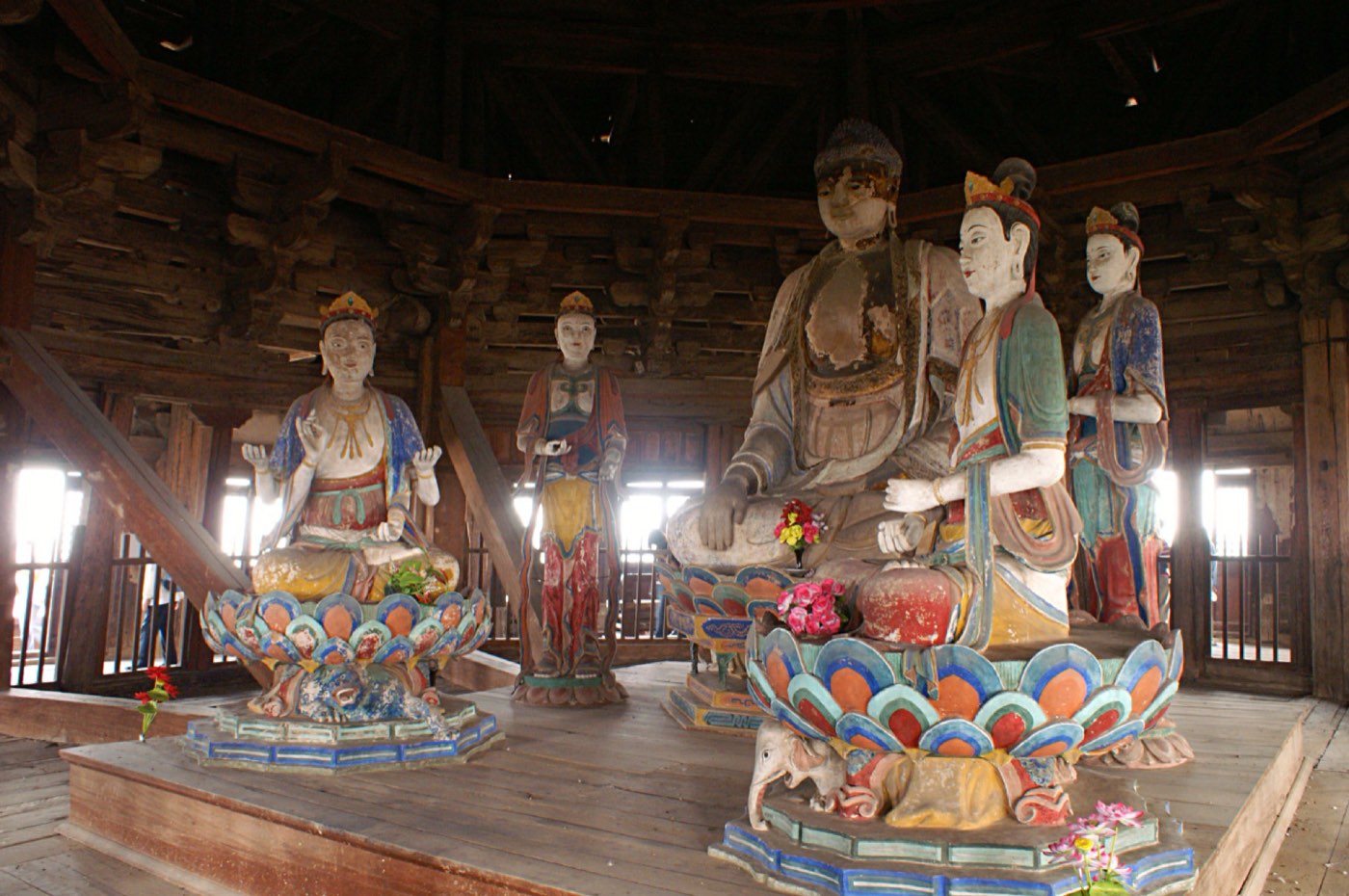
  9. 09Statuary inside the pagodaContemporaryStatuary documentation
  10. 10East elevation2018Exterior
  11. 11North elevation2018Exterior
  12. 12South elevation2018Exterior
  13. 13High view of the six eave tiers2019Aerial exterior
  14. 14Axis from the Fogong Temple gate2011Temple axis
OPEN FILTERED VISUAL ARCHIVE ↗
ENTITY QUESTIONS / FAQ

FAQ

01

When was the pagoda completed?

In 1056 during the Liao dynasty.

02

When was Liang Sicheng’s survey?

In 1933.

03

Why is continuing conservation necessary?

Long-term loads, wind, earthquakes, ageing timber and earlier repairs interact in a complex high-rise timber structure.

VERIFICATION SOURCES
UNESCO|Wooden Structures of Liao Dynasty中国大百科全书|应县木塔