DEFORMATION / MONITORING / CONSERVATION

Deformation and Conservation of the Yingxian Wooden Pagoda

A sourced account of the pagoda’s long-term and local deformation, the critical second storey, structural monitoring and the principle of minimal, evidence-led intervention.

Level 2
Principal monitoring area
Long term
Gradual and abrupt change
Monitor first
Evidence for decisions
Minimal
Risk-led intervention

The pagoda’s deformation cannot be reduced to one direction or one number. Published conservation research distinguishes broad, patterned deformation from local differential change, with the seriously inclined second open storey remaining a principal monitoring area.

Conservation is not a simple attempt to straighten the monument. The established approach gives priority to monitoring and research, followed by limited emergency support and protection of seriously inclined or damaged members. Official sources rejected a 2026 rumour that the entire pagoda would be dismantled.

Assessment combines displacement at column heads and feet, compression, damaged beams and ties, inter-storey torsion, climate, wind and earthquake response. Historical images, measured surveys, monitoring and structural analysis answer different but complementary questions.
COMPLETE OBJECT INDEX

24

  1. 01Octagonal planLiao-period original fabric with successive repairsPlan geometry
  2. 02Inner and outer column ringsLiao-period original fabric with successive repairsTower body
  3. 03First-storey outer-ring columnsLiao-period original fabric with successive repairsOuter ring
  4. 04First-storey inner-ring columnsLiao-period original fabric with successive repairsInner ring
  5. 05Open-storey systemLiao-period original fabric with successive repairsAccessible storeys
  6. 06Hidden floor ILiao-period original fabric with successive repairsStructural interstorey
  7. 07Hidden floor IILiao-period original fabric with successive repairsStructural interstorey
  8. 08Hidden floor IIILiao-period original fabric with successive repairsStructural interstorey
  9. 09Hidden floor IVLiao-period original fabric with successive repairsStructural interstorey
  10. 10Diagonal-bracing networkLiao-period original fabric with successive repairsBetween inner and outer rings
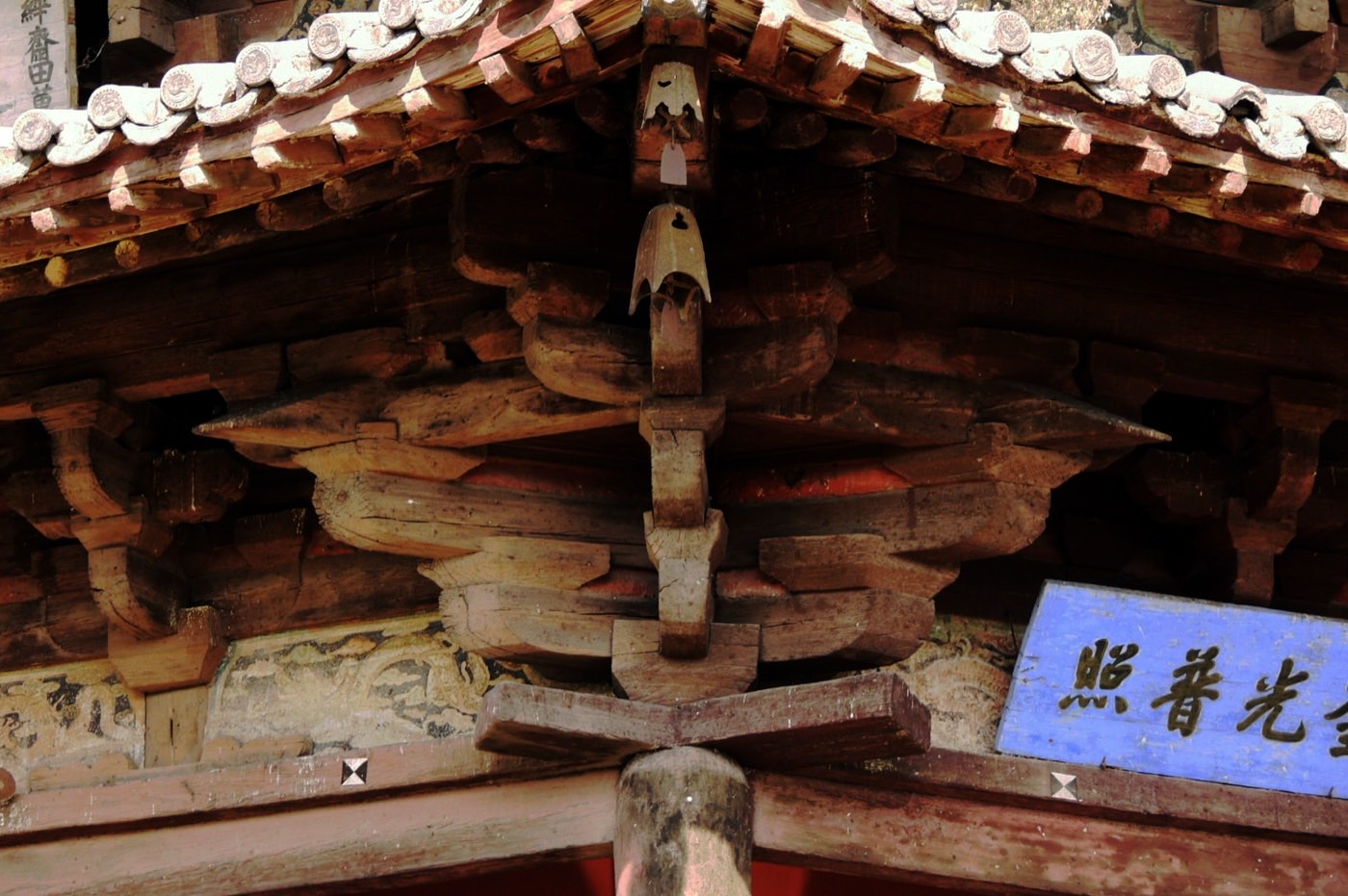
  11. 11Dougong bracket-set systemLiao-period original fabric with successive repairsColumn heads and below eaves
  12. 12Corner bracket setsLiao-period original fabric with successive repairsEight corners
  13. 13Column-head bracket setsLiao-period original fabric with successive repairsColumn heads
  14. 14Intercolumn bracket setsLiao-period original fabric with successive repairsBetween columns
  15. 15Beam-and-tie systemLiao-period original fabric with successive repairsHorizontal frame
  16. 16Six eave tiersLiao-period original fabric with successive repairsOuter edge of tower
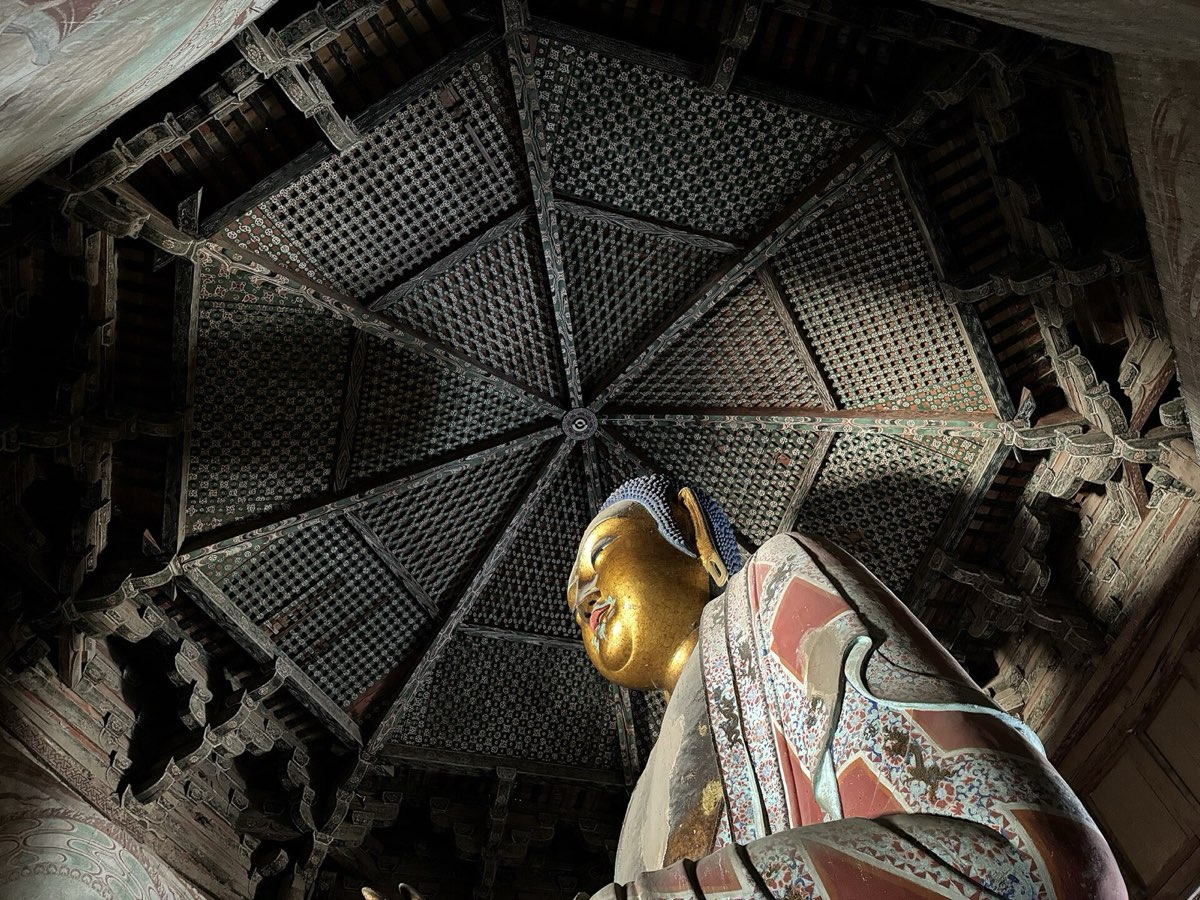
  17. 17Caisson ceilingLiao-period original fabric with successive repairsAbove the altar
  18. 18Iron finialLiao-period original fabric with successive repairsHighest point on central axis
  19. 19Masonry platformLiao-period original fabric with successive repairsGround level
  20. 20Mortise-and-tenon jointsLiao-period original fabric with successive repairsTimber connections
  21. 21Balconies and galleriesLiao-period original fabric with successive repairsAround the outer ring
  22. 22Roof tiles and ridge ornamentsLiao-period original fabric with successive repairsRoofs
  23. 23Doors, windows and lattice screensLiao-period original fabric with successive repairsOuter-ring enclosure
  24. 24Wind bellsLiao-period original fabric with successive repairsEave corners
OPEN FILTERED VISUAL ARCHIVE ↗
ENTITY QUESTIONS / FAQ

FAQ

01

Why does the pagoda lean?

Long-term loads, material change, earthquakes, conflict damage, member deterioration and earlier repairs interact; overall and local deformation differ.

02

Which storey is most critical?

Published research identifies the second open storey as a principal area of serious inclination and continuing monitoring.

03

Will the entire pagoda be dismantled?

No such project was announced; officials rejected that 2026 online rumour.

04

Why not simply straighten it?

Forced geometric correction could remove historical evidence and introduce new structural risk; intervention requires monitoring and risk assessment.

VERIFICATION SOURCES
中国文物保护技术协会|应县木塔变形的过去、现在与将来清华大学|应县木塔:云薄万栱的古今传奇中国互联网联合辟谣平台转引|应县木塔不会全部拆卸落架大修